Social Bookmarking 2025: Boost Your SEO Strategy
SEO, Social Bookmarking, Link Building
Social Bookmarking in 2025: The Brutally Effective SEO Edge You’re Ignoring
I write code for a living, but I care about one thing as much as clean architecture: traffic that actually converts. Social bookmarking still delivers that in 2025—if you stop treating it like a spam button and start treating it like infrastructure. KJDM’s Social Bookmarking service does exactly that: 200+ high-authority sites, strategic anchor text, drip-fed, one-time $282, with a full confirmation report. No fluff. Just links, signals, and faster indexing working in your favor.

What Social Bookmarking Really Is (And Why It Still Matters in 2025)
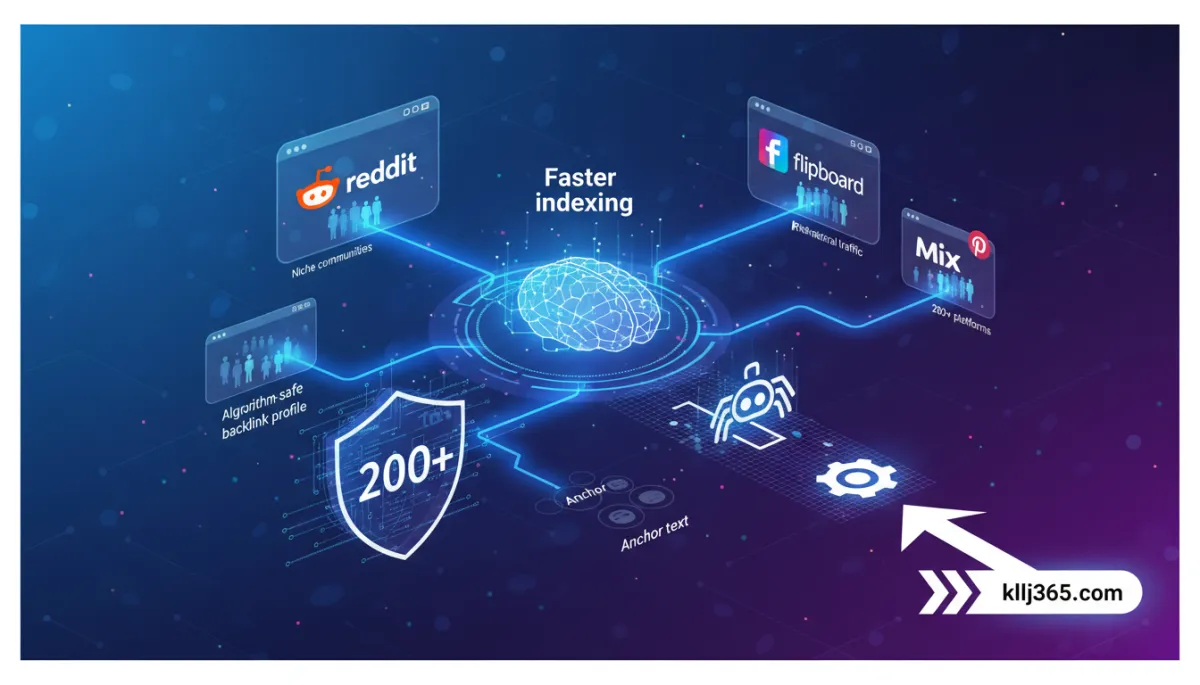
Social bookmarking is simple: people save, tag, and share URLs on platforms built around discovery—think Reddit, Flipboard, Mix, Pinterest, and dozens more. Each bookmark is a public signal that your content is worth returning to. In 2025, the “blast 10,000 spam bookmarks overnight” era is dead, and that’s good news for you. What still works is selective, high-authority, community-driven bookmarking that drives visibility, engagement, and indexing speed (Search Engine Journal, Forbes Agency Council).
For business owners and bloggers, that means one thing: social bookmarking is no longer a gimmick; it’s a distribution layer. You publish content, then you push it into high-authority ecosystems where Google’s crawlers live and real humans actually click. Done right, it supports modern SEO across three fronts: social signals, faster indexing, and qualified referral traffic (Search Engine Watch).
Social Signals: The Quiet Ranking Influence You Can’t Fake
Google says social signals aren’t a “direct ranking factor.” Fine. I also don’t hard-code business logic into a UI component, but the UI still drives revenue. Social bookmarking generates engagement signals that modern search algorithms absolutely watch: clicks, saves, time on page, branded searches, repeat visits. Industry studies show that content with strong social engagement tends to rank better, even if the links themselves are nofollow (The Stack Analyst).
When your article is bookmarked on 200+ platforms, you’re not just chasing link juice; you’re broadcasting relevance. People discover, click, save, and share. That behavioral data feeds straight into the E‑E‑A‑T world—Experience, Expertise, Authoritativeness, Trustworthiness—where Google increasingly lives. Ignore those signals, and you’re handing visibility to competitors who won’t.
Faster Indexing: Why High-Authority Bookmarking Sites Are Your Crawl Gateway
Here’s the blunt truth: Google doesn’t care about your new blog post as much as you do. If your site is small or new, crawlers might take days—or weeks—to index fresh content. But Google’s bots hit high-authority bookmarking sites constantly. Reddit, Flipboard, Pinterest, and similar platforms are crawled aggressively because they’re content firehoses (Backlynk).
When your URL appears on those domains, crawlers follow the path. That’s how strategic bookmarking compresses index times from “sometime next week” to 24–72 hours (The Stack Analyst). You’re effectively “pinging” Google through sites it already trusts. For time-sensitive content—product launches, seasonal offers, trending topics—slow indexing is lost revenue. Social bookmarking fixes that at the infrastructure level.
Real Referral Traffic from Niche Communities: Reddit, Flipboard, Mix, Pinterest
Let’s drop the theory and talk about traffic that shows up in your analytics. Platforms like Reddit, Flipboard, Mix, and Pinterest aren’t just “SEO tricks.” They’re massive discovery engines with niche communities baked in:
- Reddit: Topic-based subreddits where a single solid post can send thousands of highly targeted visitors (Backlynk).
- Flipboard: High-domain-authority “magazines” that still provide dofollow backlinks and engaged readers who follow specific interests.
- Mix: Curated content feeds where your article can ride alongside established publishers.
- Pinterest: A visual search engine with hundreds of millions of users, built entirely on bookmarking behavior and long-tail discovery.
These aren’t random clicks. They’re people already interested in your vertical—DIY, SaaS, fitness, finance, you name it. When KJDM submits your content to 200+ platforms, these heavy-hitters are part of the mix, but they’re not the whole story. You also tap into smaller, niche bookmarking communities that quietly send consistent, high-intent traffic over time.
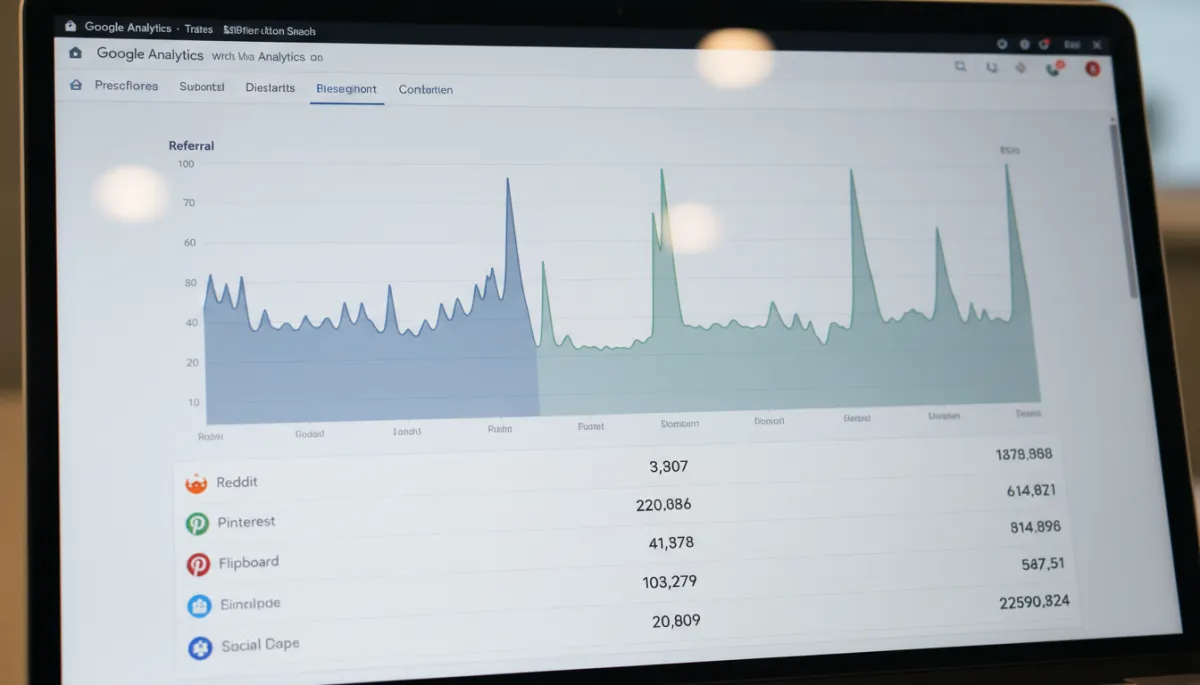
Targeted bookmarks turn into visible spikes of real referral traffic, not vanity clicks.
Anchor Text Diversity: 200+ Bookmarks, Algorithm-Safe Backlink Profile
As a developer, I hate brittle systems. Google’s Penguin updates punished exactly that: brittle, over-optimized anchor text patterns. If every backlink to your “SEO consulting” page uses the anchor “best SEO consultant,” you’re begging for a penalty (Agile Digital Agency). A natural profile is messy: branded anchors, naked URLs, partial matches, and generic phrases all mixed together.
KJDM’s Social Bookmarking service leans into that reality. Across 200+ submissions, they use strategically varied anchor text so your link profile looks like humans created it—because humans did. In code terms, you’re not hard-coding one risky value; you’re randomizing intelligently within safe constraints. Here’s how I’d model that logic mentally:
anchors = [
    "BrandName",
    "BrandName official site",
    "yourdomain.com",
    "https://yourdomain.com",
    "SEO consulting services",
    "SEO help for small businesses",
    "learn more",
    "read the full guide",
]

def choose_anchor(index: int) -> str:
    # Simple deterministic rotation for illustration
    return anchors[index % len(anchors)]

for i in range(200):
    anchor_text = choose_anchor(i)
    # KJDM effectively does this at scale across 200+ sites
    print(f"Bookmark {i + 1}: using anchor '{anchor_text}'")
That’s the idea: controlled variation. Enough diversity to look natural, enough strategy to keep your primary keywords present. You’re building an algorithm-safe backlink profile instead of gambling on one over-optimized phrase that could tank your rankings overnight.
Why Google’s Crawlers Hit Bookmarking Sites Constantly (And Why You Should Care)
Crawlers are like background workers in a distributed system. They prioritize nodes that change often and influence many other nodes. High-authority bookmarking sites fit that profile perfectly: constant new links, massive user bases, and outbound connections to every niche on the web (Wikipedia).
When your content is listed on those domains, you effectively piggyback on their crawl budget. Google doesn’t have to “discover” your site from scratch; it follows live, trusted edges from sites it already visits. For small businesses and solo bloggers, that’s the difference between being buried and being visible. KJDM’s 200+ submissions create a dense network of those edges pointing straight at you.
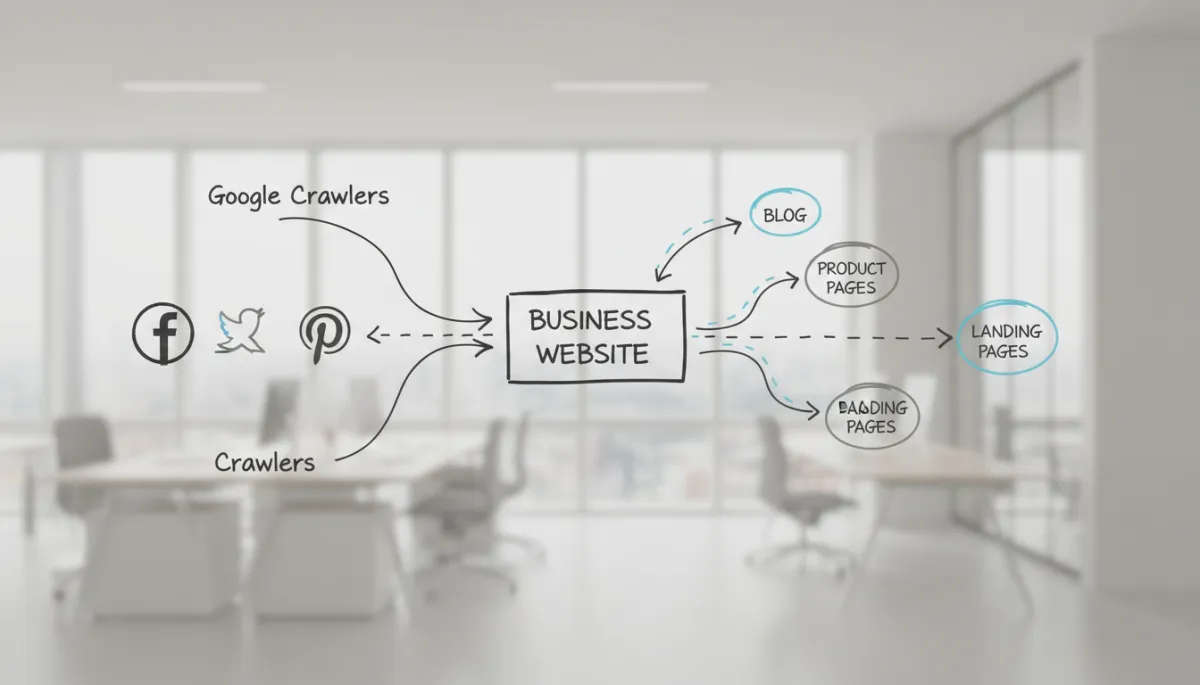
High-authority bookmarks act like highways guiding crawlers directly to your content.
Why KJDM Handles 200+ Platforms Instead of the Same 2 Everyone Knows
Most businesses do this wrong in a very predictable way: they post to Reddit and Pinterest (maybe), call it “social promotion,” and walk away. That’s like deploying your app to one region and wondering why global latency sucks. You’re ignoring the long tail—dozens of smaller, high-authority bookmarking platforms and niche communities that quietly drive traffic and diversify your link profile (Backlynk).
KJDM’s done-for-you service doesn’t stop at the obvious names. They handle all 200+ platforms because that’s what a natural footprint looks like in 2025. Different audiences, different domains, different anchor texts, all dripping out over time instead of detonating in one suspicious burst. Manually doing that yourself is a productivity nightmare. As a senior engineer, I can tell you: anything that smells like repetitive, multi-step, error-prone work should be automated or outsourced. This is exactly that category.
The Offer: One-Time $282, Full Report, No Guesswork
Here’s the deal stripped of marketing fluff:
- Service: Done-for-you submission of your content to 200+ high-authority social bookmarking platforms.
- Strategy: Smart anchor text distribution, varied titles and descriptions, and a drip-feed schedule to keep everything algorithm-safe.
- Price: One-time payment of $282. No subscription, no upsell trap.
- Deliverable: A full confirmation report so you can see exactly where your URLs live and what was done.
If you’re serious about organic SEO, this is a no-brainer infrastructure upgrade. You’d happily pay a dev that rate for a few hours of work. Here, you’re buying long-term crawl paths, social signals, and referral traffic that keep paying off long after the invoice is forgotten.
Stop Hoping for Traffic. Engineer It.
As a senior software engineer, I don’t trust hope. I trust systems. Social bookmarking in 2025 is not magic and it’s not dead. It’s one more system in your stack—a distribution layer that tells Google and real humans, “this content matters.” KJDM’s Social Bookmarking service wires that layer in for you: 200+ high-authority sites, strategic anchors, drip-fed, backed by a clear report and a straightforward $282 price tag.
You can keep waiting for rankings to “eventually” improve, or you can push your content into the places crawlers and customers already live. If you’re building a serious SEO engine for your business or blog, stop leaving this channel on the table. Order KJDM’s Social Bookmarking service now at kljj365.com and turn passive content into an active traffic pipeline.